“By Zhino Trade / Updated September 2025 – Iranian Raisins Export”
Global Raisin Outlook 2025
The global raisin industry, and specifically the Iranian raisins export, remains a vital part of the dried fruit market, with an estimated 1.33 million MT production in 2024/25 and a total supply (including carryover) of about 1.41 million MT (Cardassilaris).
Iran has produced around 245,000 MT in 2024/25, with approximately 175,000 MT available for export after domestic consumption and ending stocks (International Nut & Dried Fruit Council).
As one of the top raisin producers globally, Iran continues to play a key role in the international dried fruit trade. For a detailed overview of the company behind these premium raisins, see About Zhino.
Global Market Size & Growth of Iranian Raisins Export
- The global raisin market was valued at USD 2.53 billion in 2024 and is expected to reach USD 4.05 billion by 2034, growing at a CAGR of 4.81% (Market Research Future).
- Other studies estimate the 2025 market at USD 2.57 billion (Custom Market Insights) and around USD 2.36 billion in 2024 (Cognitive Market Research).
Bottom line: The global raisin market is valued between USD 2.3–2.6 billion, with steady growth of 4–5% annually.
Iran’s Position in Global Trade
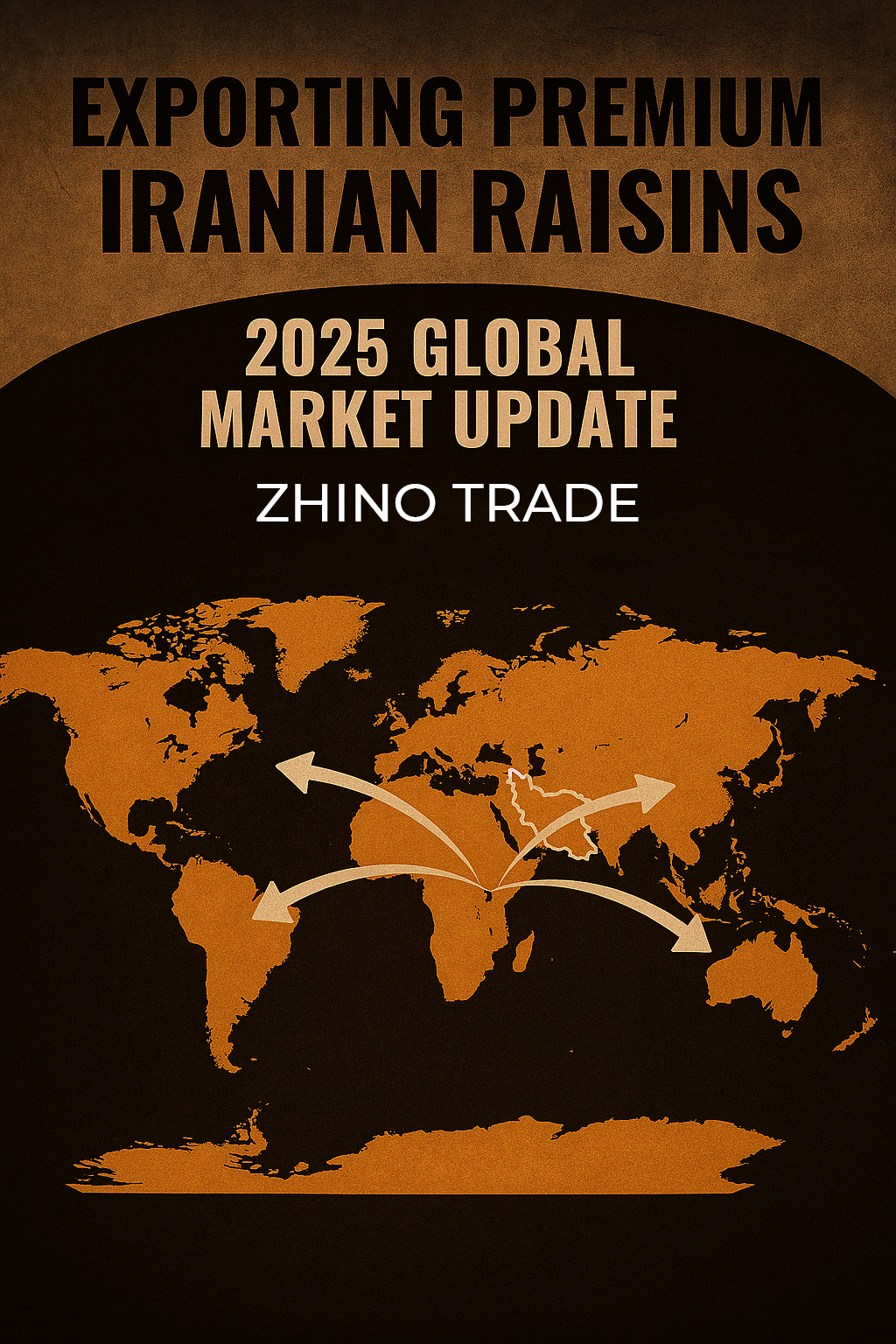
- In 2023, Iran exported about 85,000 MT of raisins, generating over USD 180 million (Raisin Iran).
- In 2022, Iran’s exports reached 106,182 MT worth USD 170.1 million (average price: ~USD 1,600/MT) (Commodity Board).
- From 2019–2023, Iran’s average annual exports stood at 119,073 MT, ranking it among the top 5 global raisin exporters (Tari Trading).
Competitive Advantages of Iranian Raisins
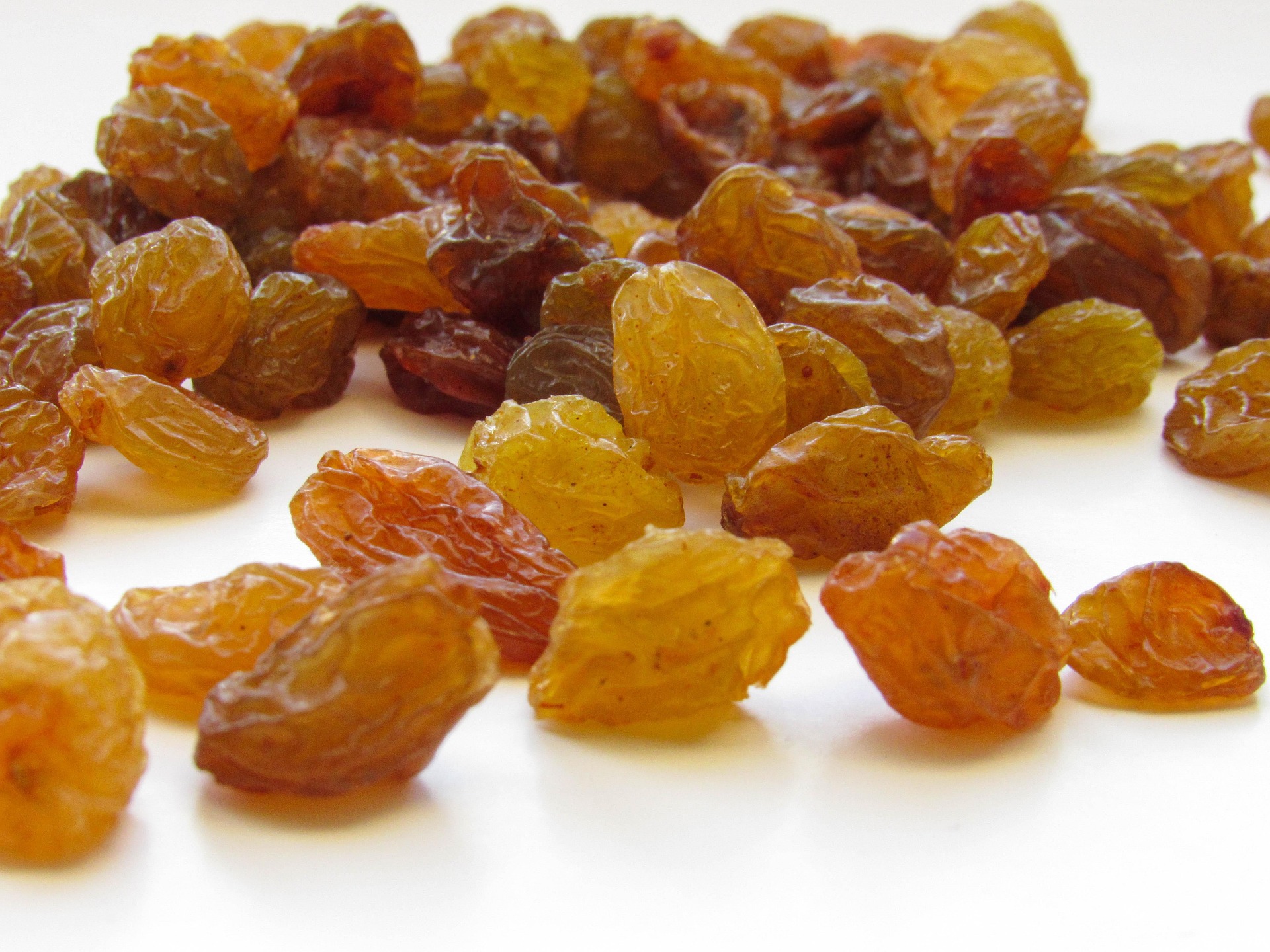
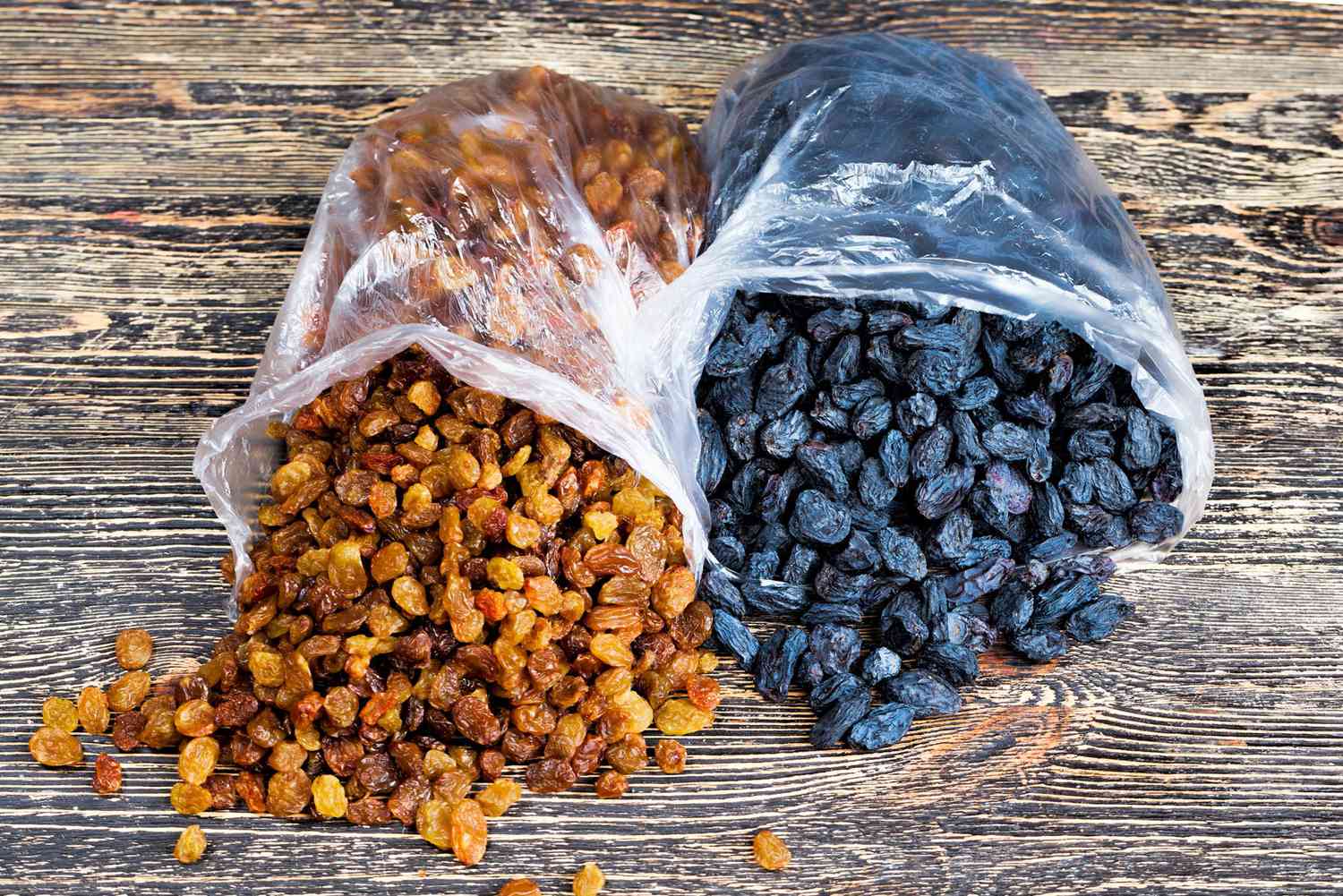
- Diverse Varieties: Golden, Sultana (brown), Sun-dried, Green Kashmish, and Black Raisins (Maviz). Learn more about Types of Raisins.
- Natural Drying Methods: Many Iranian raisins are sun-dried, offering a more natural and organic profile.
- Competitive Pricing: Despite rising costs, Iran maintains attractive pricing, especially for premium markets.
- Certifications: International standards including HACCP, Organic, Halal, and Kosher.
For complementary products, explore our guides on High-Quality Walnuts and Wholesale Pistachios.
SWOT Analysis of Iranian Raisin Exports
| Strengths | Weaknesses |
|---|---|
| Wide product diversity | Banking & sanction limitations |
| Competitive production costs | High international shipping costs |
| Strong taste profile | Limited global branding |
| Opportunities | Threats |
|---|---|
| Rising demand for healthy & organic snacks | Price competition from neighbors (Uzbekistan, Afghanistan) |
| Declining output in Turkey/USA due to climate | Currency fluctuations & domestic climate change |
| Growing markets in Africa & Southeast Asia | Trade restrictions & payment risks |
Market Fit: Iranian Raisins Export to Different Regions
| Market | Preferred Raisin Types | Key Drivers |
|---|---|---|
| Europe | Green Kashmish, Organic Golden | Health-conscious consumers, quality standards |
| Middle East | Sultana (brown), Black Raisins (Maviz) | Traditional cuisine, high consumption |
| Asia | Green Kashmish, Maviz | Natural snacks, traditional medicine |
Key Challenges & Practical Solutions
- Sanctions & Payments: Alternative banking through third-country accounts, secure intermediaries, or crypto settlements where acceptable.
- Logistics: Trusted shipping lines and temperature-controlled containers ensure product quality.
- Price Competition: Focus on premium markets with value-added features: organic certification, advanced packaging, and traceability.
- Sustainability: Eco-friendly packaging, water-efficient agriculture, and blockchain-based traceability.
Future Trends & Opportunities
- Sustainability: Biodegradable packaging and environmentally responsible sourcing.
- Technology & Traceability: Blockchain for full traceability from farm to packaging.
- Value-added Products: Raisin paste, energy bars, and natural snack packs.
- Emerging Markets: Africa, Southeast Asia, and Latin America.
FAQs
Q1: How do payments work under sanctions?
A: We utilize trusted banking partners in third countries, secure financial intermediaries, and explore alternative methods (e.g., crypto) where allowed.
Q2: Can buyers visit farms & facilities?
A: Yes, international buyers are welcome to tour our vineyards and processing plants.
Q3: How is quality guaranteed?
A: Through international certifications (ISO, HACCP, Organic, Halal, Kosher) and reliable logistics partners.
Q4: What is the minimum order quantity (MOQ)?
A: Standard MOQ is 10 MT, but smaller trial shipments can be arranged.
Q5: Are samples available?
A: Yes, free samples can be requested (shipping cost may apply).
Conclusion
The 2025 global raisin market presents significant opportunities for exporters who can navigate challenges with agile strategies. By leveraging Iran’s competitive advantages in quality and diversity, focusing on sustainability, and adopting technological solutions like traceability, businesses can secure a strong position in the evolving dried fruit trade.
Zhino Trade is committed to being a reliable partner in this journey, ensuring premium quality and seamless export operations.
👉 Contact Zhino Trade today to receive the full product catalog, latest 2025 price list, and a free sample of premium Iranian raisins!
- 🌐 Zhino Home
- 📞 +98 914 674 3681
- 📧 Contact Us
- 📂 Download Catalog
Ready to Buy Export Premium Raisins?
Connect with Zhino today to get the best quality raisins for your market!