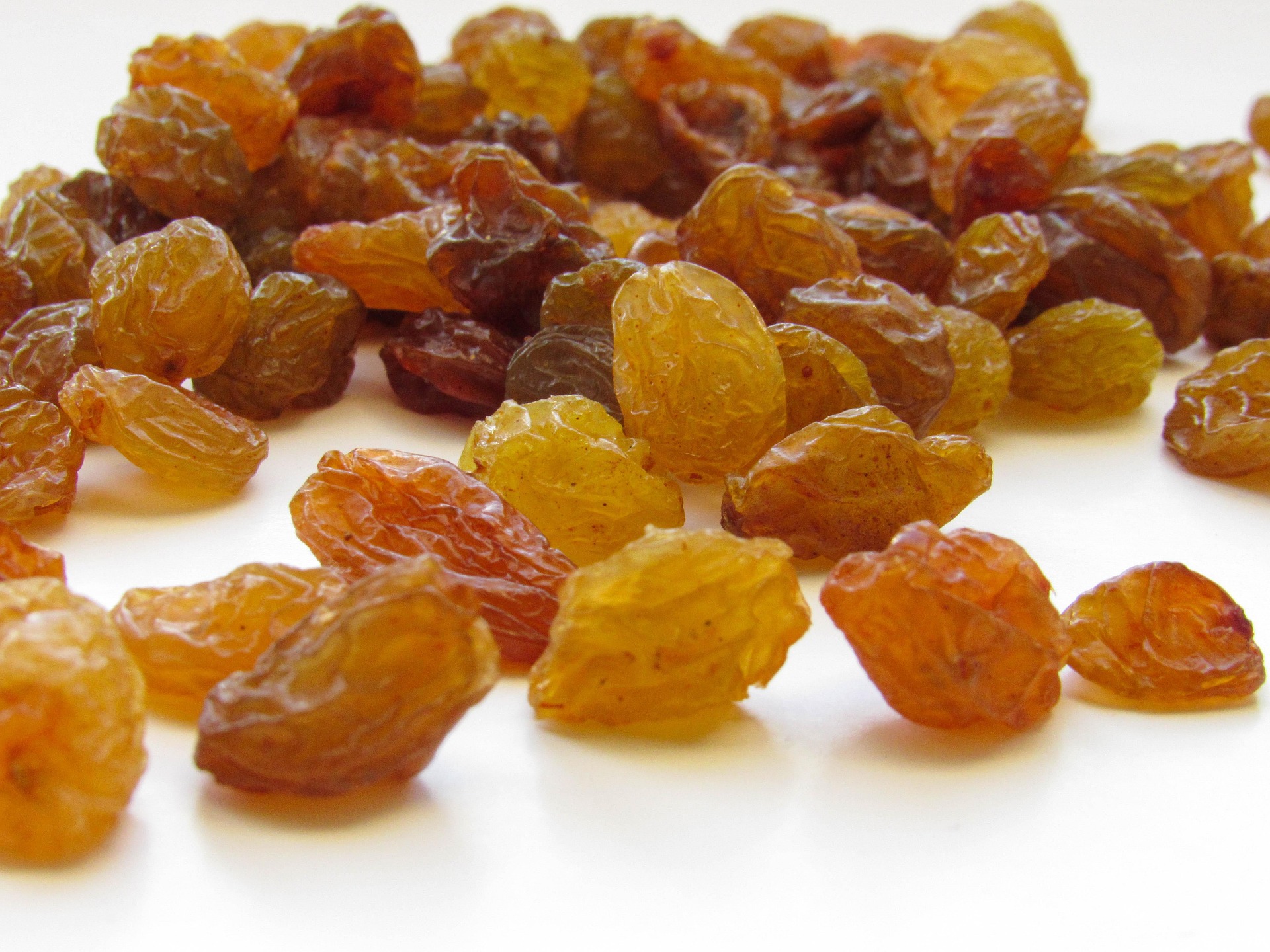
Introduction to Raisins
Raisins, the dried form of grapes, are among the world’s most popular dried fruits. Their natural sweetness, rich nutrients, and versatile culinary uses make them a global superfood. From healthy snacking to international trade, these dried fruits play an important role in both diets and markets.
What This Guide Covers
In this guide, you will learn about the nutritional value of raisins, their health benefits, different varieties, culinary applications, and global importance—all supported by scientific references and expert insights.
Nutritional Value of Dried Grapes
According to the USDA National Nutrient Database, 100 grams of these dried fruits provide approximately:
- Calories: 299 kcal
- Carbohydrates: 79 g (mainly natural sugars like glucose and fructose)
- Protein: 3.3 g
- Fiber: 3.7 g
- Calcium: 50 mg
- Iron: 1.9 mg
- Potassium: 749 mg
These figures make raisins a nutrient-dense food, supplying energy, fiber, and minerals in a small serving size.
Health Benefits of Raisins
Studies show that these natural snacks deliver multiple health benefits beyond their sweetness.
Top Benefits Include:
- Boosts Energy Levels: Natural sugars provide quick energy, ideal for athletes and students.
- Supports Digestive Health: Fiber helps regulate bowel movements and prevent constipation.
- Improves Bone Strength: Contain calcium and boron, essential for bone density and preventing osteoporosis.
- Promotes Heart Health: Potassium balances blood pressure, while antioxidants reduce harmful cholesterol.
- Enhances Skin Health: Antioxidants combat oxidative stress, slowing down signs of aging.
- Natural Sugar Substitute: Can replace refined sugar in desserts and recipes.
Nutritionists recommend incorporating a small handful (about 30 g) into your daily diet to improve overall health without excess sugar intake.
Types of Raisins
Raisins come in several varieties, each with distinct characteristics:
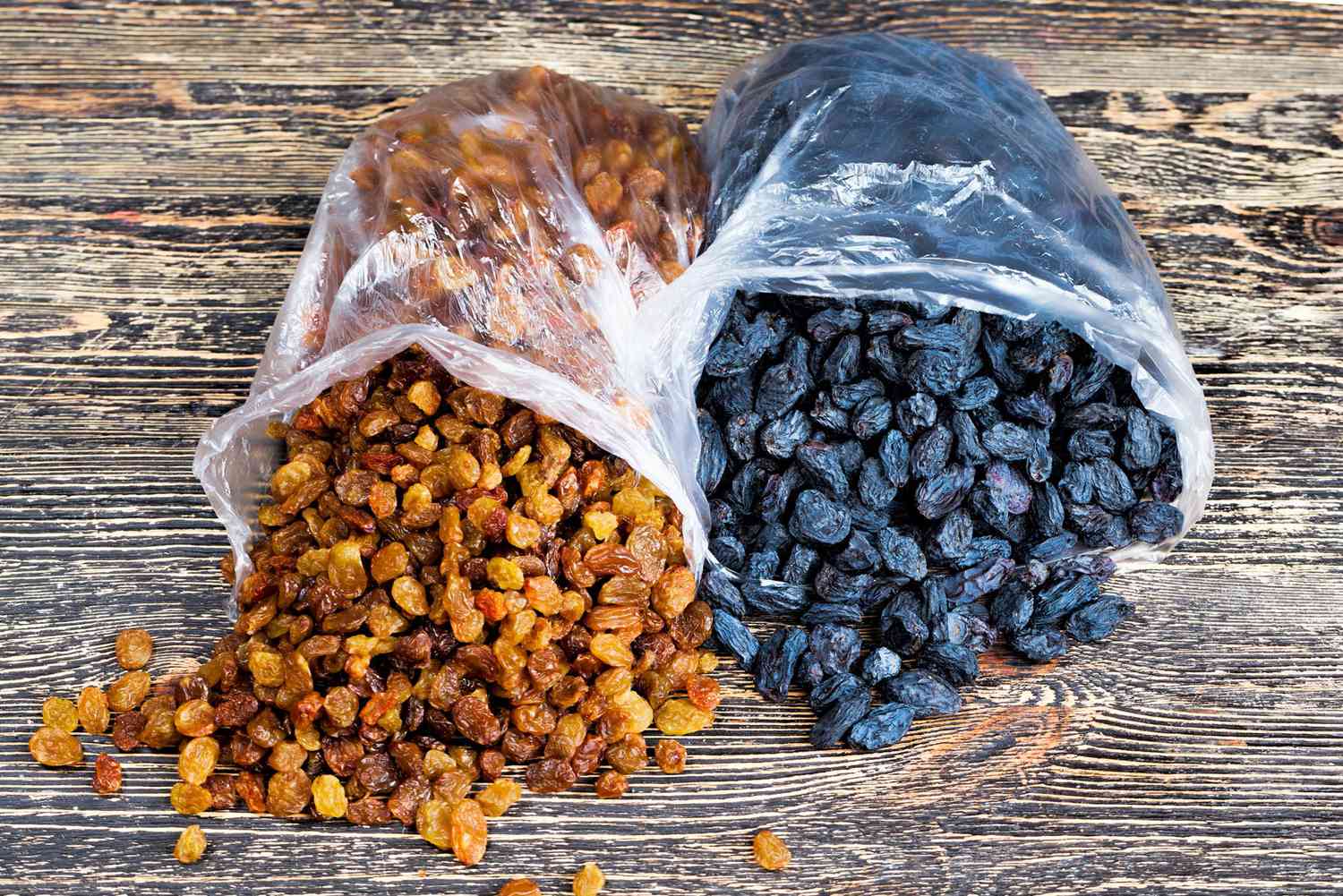
- Golden Raisins: Light, sweet, often dried with sulfur dioxide to preserve color.
- Black Raisins: Naturally sun-dried, chewy with a deep, rich flavor.
- Sultanas: Small, sweet, and seedless—used in cakes and pastries.
- Green Raisins: Tangy, long-shaped, popular in Middle Eastern and Asian cuisine.
- Currants: Tiny, dark dried grapes from Black Corinth, ideal for baking.
These varieties are used worldwide for both snacking and as ingredients in international cuisine.
Culinary Uses of Raisins
Raisins are highly versatile in the kitchen:
- Snacks: A healthy, portable energy booster.
- Breakfast: Added to oatmeal, granola, or yogurt.
- Baking: Classic ingredient in cookies, bread, and muffins.
- Savory Dishes: Used in pilaf, couscous, or stews for a sweet-salty balance.
- Energy Bars: Natural sweetener and chewy texture for fitness snacks.
Raisins in Global Trade
Countries like Iran, Turkey, and the United States are leading exporters.
Iranian raisins are especially valued for their natural sun-drying methods and distinct flavor profile. Growing demand for healthy snacks and plant-based diets has boosted exports in recent years.
Storage and Shelf Life
To keep raisins fresh and tasty:
- Store in an airtight container.
- Keep in a cool, dark place.
- Refrigeration extends shelf life up to 12 months.
- If raisins harden, soak them in warm water or juice for a few minutes to restore softness.
Frequently Asked Questions (FAQ)
Looking for Premium Iranian Raisins?
We supply 100% natural, sun-dried raisins directly from Iran at competitive export prices. Get custom packaging and OEM services. Contact us today to get the latest price list or place your order.